EV, backup & commercial
Landlord and building compliance in Woodside, NY
Small buildings accumulate electrical work the way a house accumulates paint. The useful thing is not a list of everything wrong — it is knowing which three items actually matter this year.
Woodside is largely two- and three-family houses and small apartment buildings, many of them owned by people who live in one of the units. The electrical position in those buildings is nearly always the same: a service and a meter room added to over sixty years, common-area circuits nobody can quite account for, and a history of work by whoever was available.
What owners actually need is triage. A survey that lists forty findings with no ranking is not useful; it is a document you put in a drawer. Ours separates what is a hazard now, what will become a problem, and what is simply old, and prices them separately so you can do it in the order that makes sense.
Meter rooms and common areas
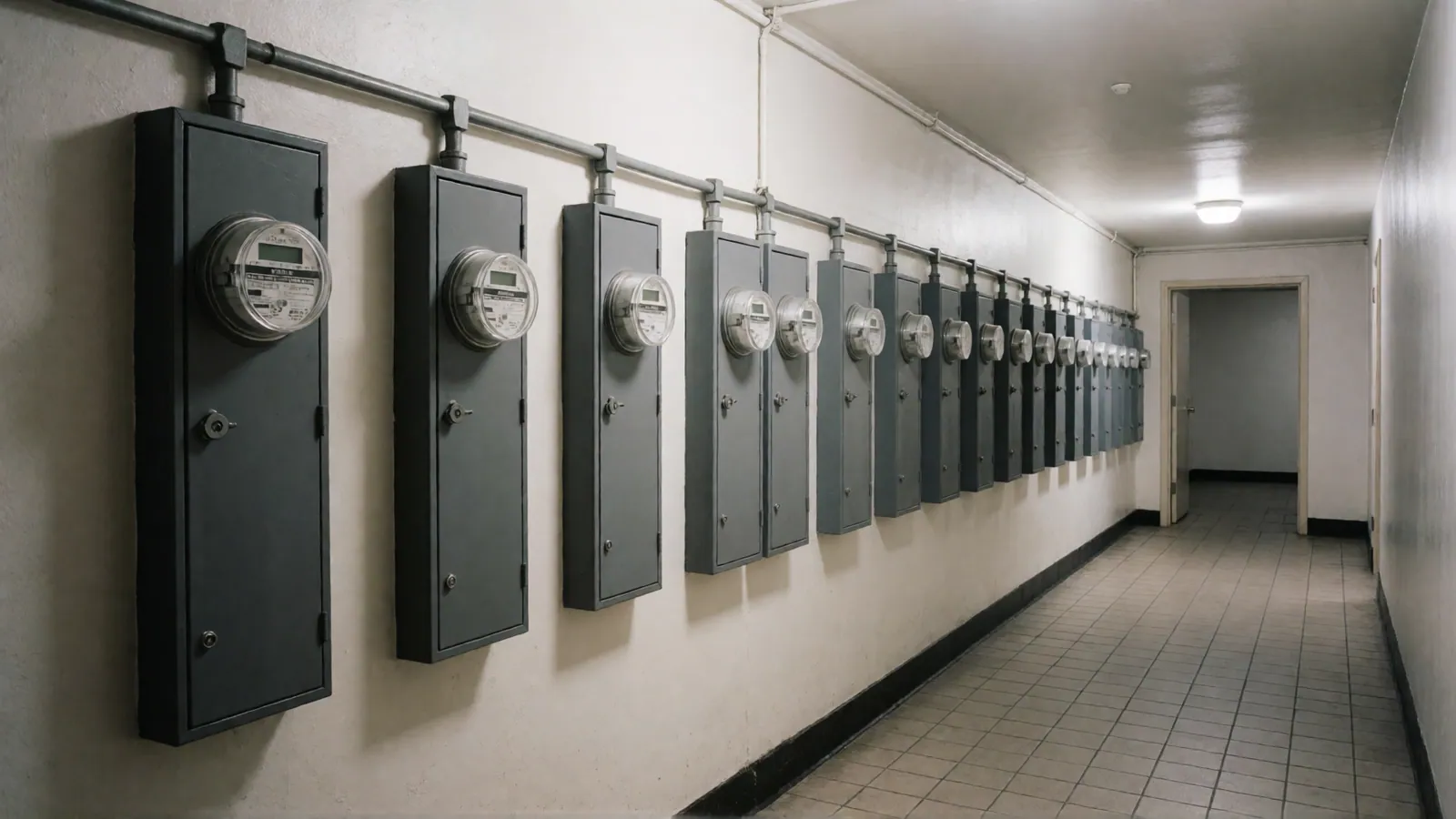
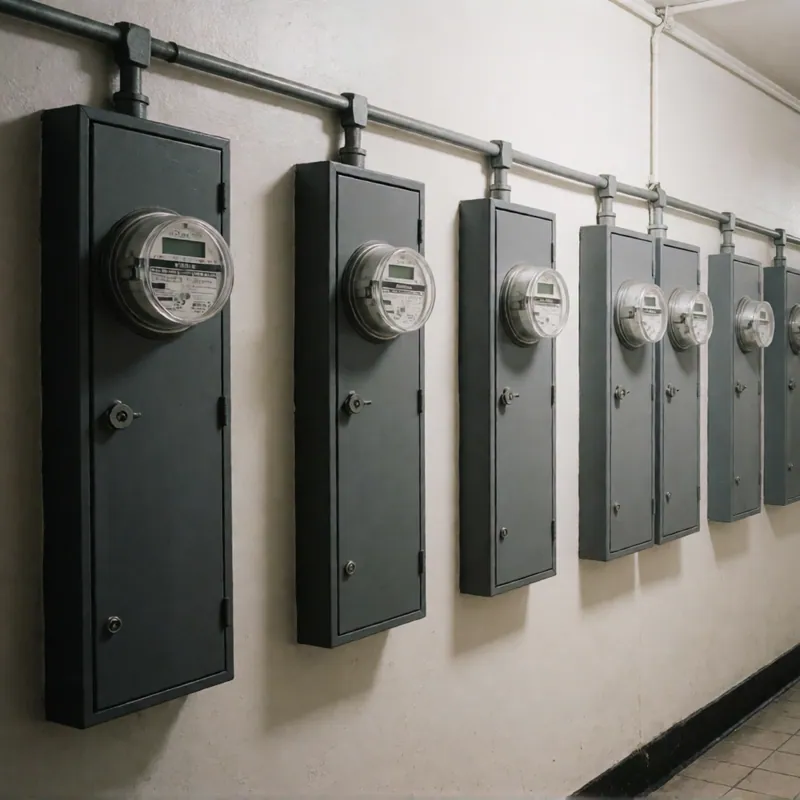
The meter room is where the archaeology lives. Meters added as the building was subdivided, circuits whose destination nobody recorded, disconnects that do not clearly belong to anything, and — very often — a house-supply circuit that has quietly ended up feeding something in a tenant's unit, which is a billing problem as well as a safety one.
Common-area lighting, stair and hall circuits, basement and boiler-room supplies, and the circuits serving shared laundry all sit on the landlord's side of the line, and they are the ones that generate complaints because everybody uses them and nobody owns them.
We map what is actually there, identify the circuits properly, and label everything. That is unglamorous work and it is the single most useful thing anybody can do to a small building's electrical installation.
Between tenancies is the moment
A vacant unit is worth several times an occupied one for this kind of work. There is no access problem, no scheduling around anybody, and no dust sheets in an occupied bedroom. If you know a unit is turning over, tell us early and we will plan the work into the void rather than around a tenant.
The standing items for a turnover are: test the circuits, ground-fault protection where it is now required, alarms tested or replaced, devices that are damaged or ageing swapped, and anything the last tenant added removed or made properly.
Violations and what we can and cannot do
Where there is an open electrical violation we will tell you what is actually required to clear it, do the work, file it and get it signed off. What we will not do is tell you we can make a violation go away that is not electrical, or that belongs to a different party.
Quite a lot of what gets described to us as an electrical violation turns out to be partly somebody else's — the utility's, a plumber's, or the building's structure. Establishing that early is worth more than starting work quickly.
A report on what was reachable on the day. An electrical inspection is a report on what was accessible on the day. We cannot see inside a finished wall, under a floor we did not lift, or behind equipment we were not able to isolate, and no instrument we own sees through plaster. So we can tell you what we found and what we could not reach, and we will write down both. What we cannot do — what nobody can honestly do — is certify that a building is safe. Anyone offering you that is selling you a feeling.
Included as standard
What the job actually includes
A building survey with findings ranked
Hazard now · will become a problem · simply old. Priced separately so you can sequence it.
The meter room mapped and labelled
Circuits identified by test, not by assumption. The most useful unglamorous work there is.
Common-area circuits sorted
Stairs, halls, basement, boiler room and shared laundry — the ones that generate complaints.
Turnover work planned into voids
Far cheaper and far less disruptive than working around a tenant.
Alarms fitted, tested and documented
Including the documentation, which is the part that matters after an incident.
Violations: filed, worked and signed off
And an honest statement of which parts are not ours to clear.
When to call us
Signs this is the job you need
- An open electrical violation, or an inspection coming
- A meter room nobody has mapped in decades
- Common-area lighting that keeps failing, or circuits nobody can identify
- A house circuit that may be feeding something in a tenant's unit
- A unit turning over — the cheapest moment there will ever be
- Buying a small building and wanting to know what you are taking on
Landlord and building compliance — what it costs
- Priced per building after a walk-through — and we will tell you what is not urgent.Quoted after a walk-through
This is the range this job actually lands in, not a headline figure. The low end is a straightforward version of the work; the high end is one with a hard access problem, an old service, or something that has to be opened up before anybody can be certain. We tell you which one you have after we have looked, and the written quote says where the price could still move and why.
Questions we are actually asked
Landlord compliance — frequently asked
Can you just give me a list of everything wrong?
We can, and it would not help you. An unranked list of forty findings goes in a drawer. What you get instead is the same findings sorted into what is a hazard now, what will become one, and what is merely old — priced separately so you can do it in a sensible order.
Do I have to fix everything at once?
No, and we would usually advise against it. What has to happen now is the hazards and anything under a violation. The rest can be sequenced across turnovers and budgets, and we will help you plan that rather than presenting it as one number.
Who is responsible, me or the tenant?
That is a lease question rather than an electrical one, and we are careful not to pretend otherwise. What we can do is document precisely what is installed, what condition it is in, and what was added after the original installation — which is usually the evidence the question actually turns on.
Related work
Often needed alongside this
Safety inspections
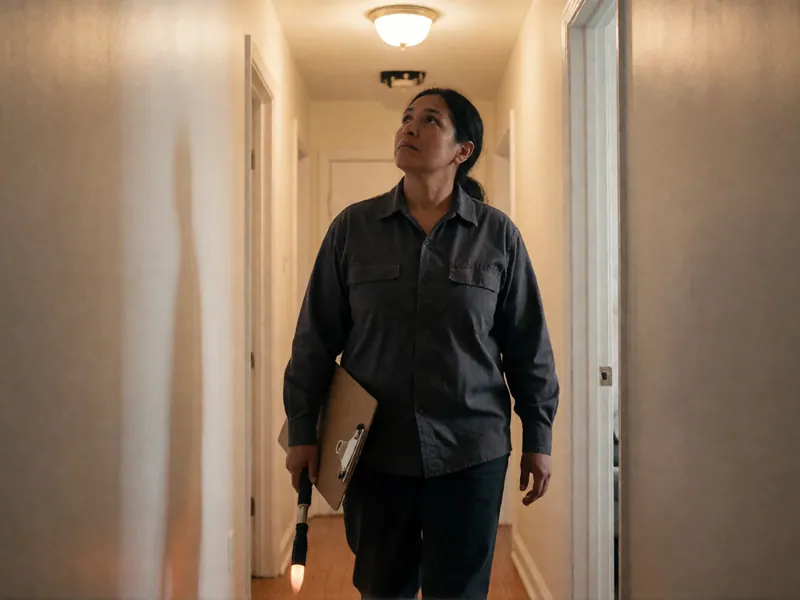
A written report on what we found, what we could not reach, and what actually needs doing first.
$385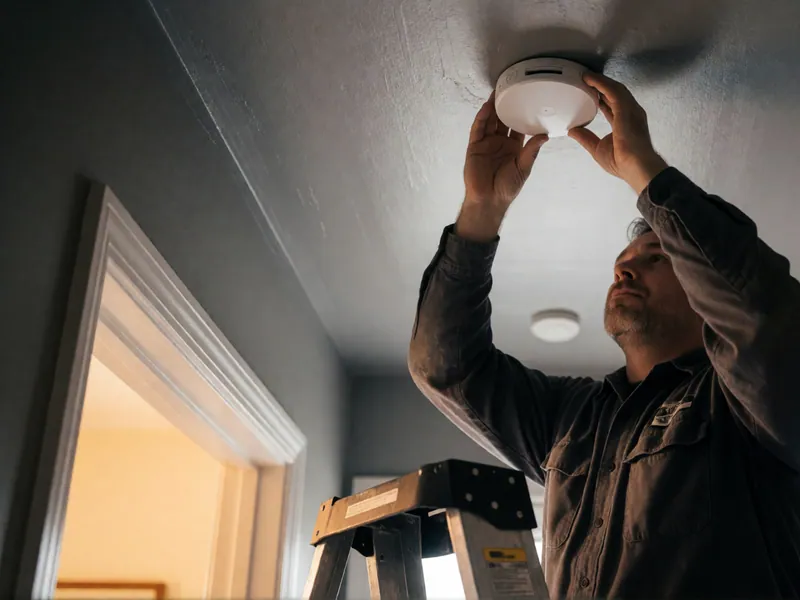
Smoke & CO alarms
Interconnected, mains-powered alarms on every level, sited where they will actually hear a fire.
$180 – $340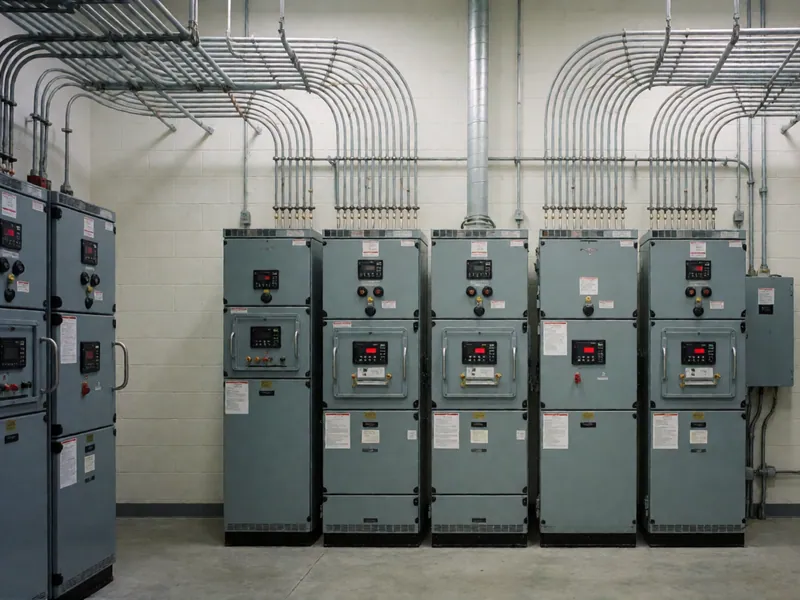
Commercial
Shops, restaurants, clinics and small offices along Roosevelt and Queens Boulevard — fit-outs and service work.
Quoted after a walk-through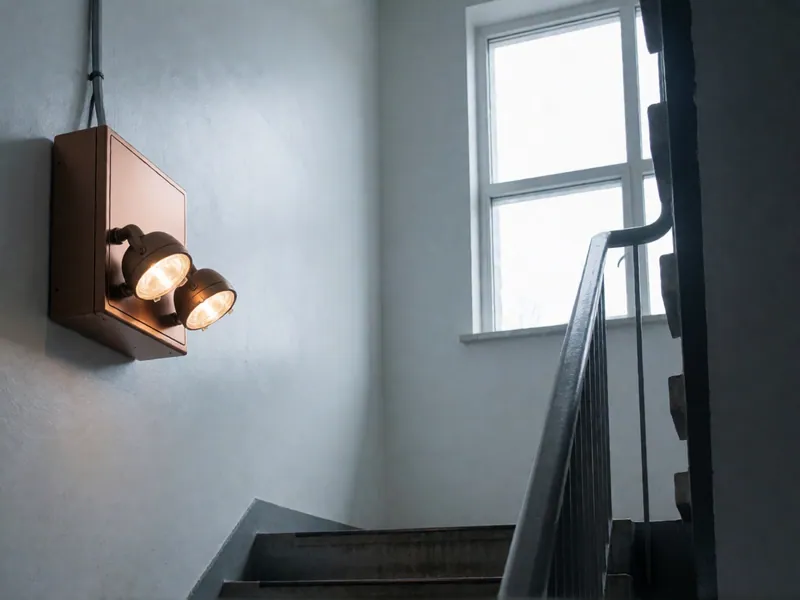
Emergency lighting
The battery units and egress lighting a commercial space is inspected on — installed, commissioned and tested.
$420 – $760Somebody who does the work will come and look
Book a visit
Telephone the shop and you will get an electrician rather than a call centre. For defined work — a panel, a charger, a lighting scheme — the quote is free. For a fault, the visit is the diagnosis and it is $165 for the first hour, credited against the work if you go ahead the same visit. Either way we will tell you on the telephone which one it is.