EV, backup & commercial
Commercial electrical work in Woodside, NY
The difference between a commercial job and a domestic one is rarely the electrics. It is that a business loses money every day it cannot open, and the whole job has to be sequenced around that.
We work along Roosevelt Avenue and Queens Boulevard and through the side streets around them: restaurants and takeaways, groceries, salons, clinics, small offices, workshops and places of worship. Fit-outs for new tenancies, alterations for existing ones, and the ordinary service work that keeps a small building running.
Every commercial job is quoted after a walk-through, and nothing on this page is a shelf price. That is not evasion — it is that two restaurants of the same size in the same block can differ by a factor of three depending on what the last tenant left behind.
Restaurant and food-service work
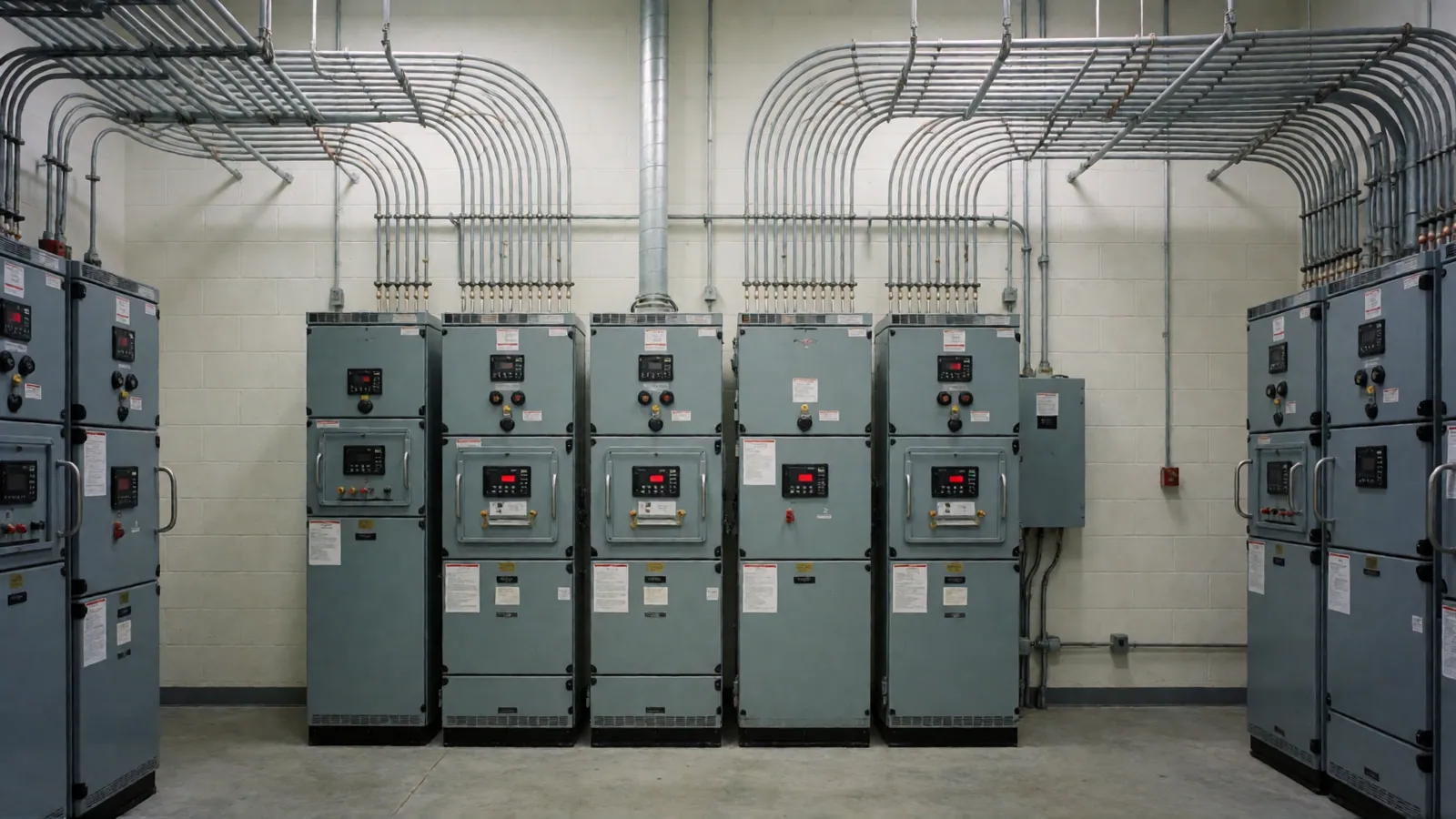
Commercial kitchens are the most demanding small-premises electrical environment there is: large connected loads, a lot of them, in a hot wet room full of stainless steel, with an extraction system that has to interlock with things and an inspection regime that is genuinely rigorous.
The recurring problems we are called to are the same every time. A previous fit-out sized for a different menu, so the service is now marginal. Equipment added over the years onto whatever circuit was nearest. Ground-fault protection that has been defeated because it kept tripping — which in a wet kitchen is precisely backwards. And bonding of the stainless that was never done properly.
We do the load calculation before quoting a fit-out, because the alternative is discovering halfway through that the service will not carry the menu.
Working around a business that has to open
Most of our commercial work is staged: nights, early mornings, closed days, or zone by zone. It costs more per hour and it costs far less than closing.
What we will tell you truthfully is which parts genuinely cannot be done that way. A service changeover needs the power off, and pretending otherwise helps nobody. We will give you the shortest honest window and hold to it.
Landlord, tenant, and who pays for what
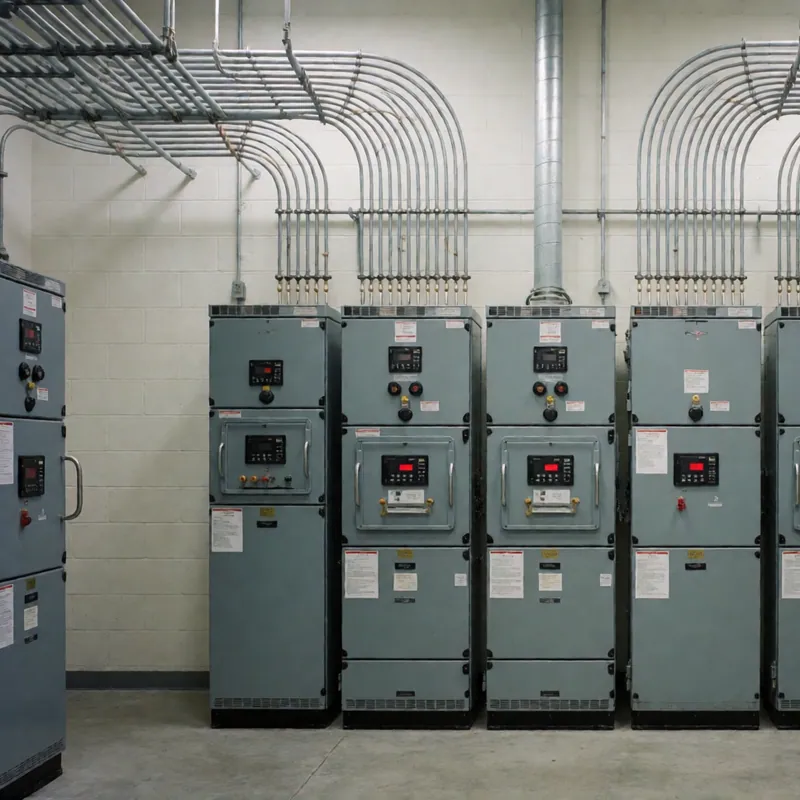
A great deal of small-commercial electrical trouble is really a lease question: what the landlord provided, what the last tenant installed, what has to be removed at the end, and who is responsible for the meter room.
We survey and write it down clearly enough to be shown to the other side. That report is frequently the most useful thing we produce on a commercial job, and it costs a fraction of the work it prevents an argument about.
Filed with the Department of Buildings, or not done. In New York City, electrical work is filed with the Department of Buildings by a licensed Master or Special Electrician, and the finished work is signed off after an inspection. A homeowner cannot pull an electrical permit here, and neither can an unlicensed handyman. If somebody offers to do your panel or your rewire cheaper by leaving the filing out, what they are selling you is unpermitted work: it is illegal, your insurer can decline a fire claim over it, and it surfaces at the worst possible moment, which is the day you sell or refinance. We file for everything that requires filing. When a job genuinely does not require a permit we will tell you that too, and we will tell you why.
Included as standard
What the job actually includes
A walk-through before any price
Because the last tenant's work is the single biggest variable, and it cannot be assessed from a plan.
Load calculation on fit-outs
Before the design is fixed, so the service is known to carry the business you are actually opening.
Staged working
Nights, mornings and closed days, so trading continues. And an honest statement of what cannot be staged.
Filed and inspected
Commercial work is filed with the Department of Buildings like any other.
Emergency and egress lighting
Installed, commissioned and tested — the thing you are inspected on.
A survey you can show a landlord
Written to be read by the other side of a lease negotiation.
When to call us
Signs this is the job you need
- A new tenancy being fitted out
- Equipment added over the years onto whatever circuit was nearest
- Ground-fault protection that keeps tripping and has been worked around
- An inspection or a violation to resolve
- A menu or a business changing in a way that adds load
- A meter room nobody has looked inside for a decade
Commercial electrical work — what it costs
- Every commercial job is quoted after a walk-through. Nothing here is a shelf price.Quoted after a walk-through
This is the range this job actually lands in, not a headline figure. The low end is a straightforward version of the work; the high end is one with a hard access problem, an old service, or something that has to be opened up before anybody can be certain. We tell you which one you have after we have looked, and the written quote says where the price could still move and why.
Questions we are actually asked
Commercial — frequently asked
Can you work at night so we stay open?
Yes, and most of our commercial work is staged that way. It costs more per hour and much less than closing. We will also tell you plainly which parts cannot be done outside hours — a service changeover needs the power off and there is no way around that.
Why will you not give a price over the telephone?
Because the honest answer depends on what the previous tenant left behind, and that cannot be assessed from a description. A walk-through costs us an hour and saves you from a number that was always going to change.
Do you handle the violation paperwork?
We handle the electrical filings, the inspections and the sign-offs, and we will tell you clearly which parts of a violation are ours and which belong to another trade or to the building's owner rather than to you.
Related work
Often needed alongside this
Emergency lighting
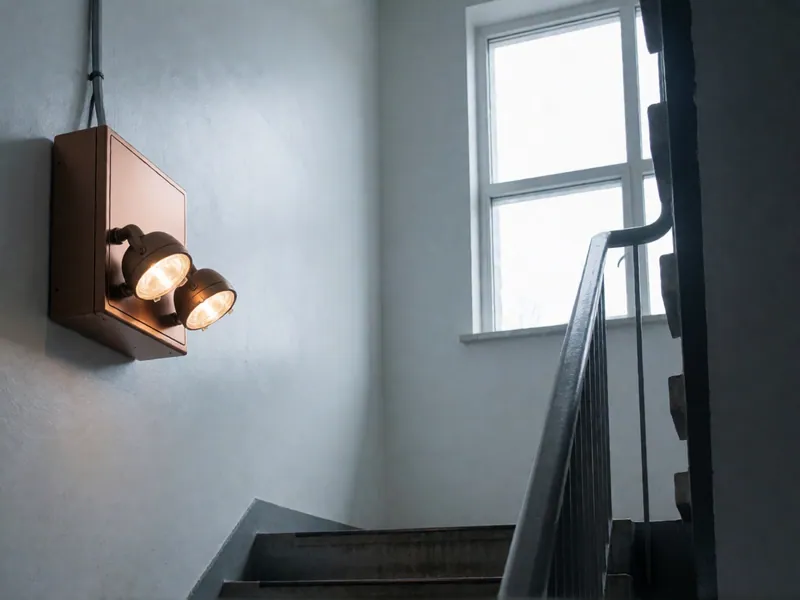
The battery units and egress lighting a commercial space is inspected on — installed, commissioned and tested.
$420 – $760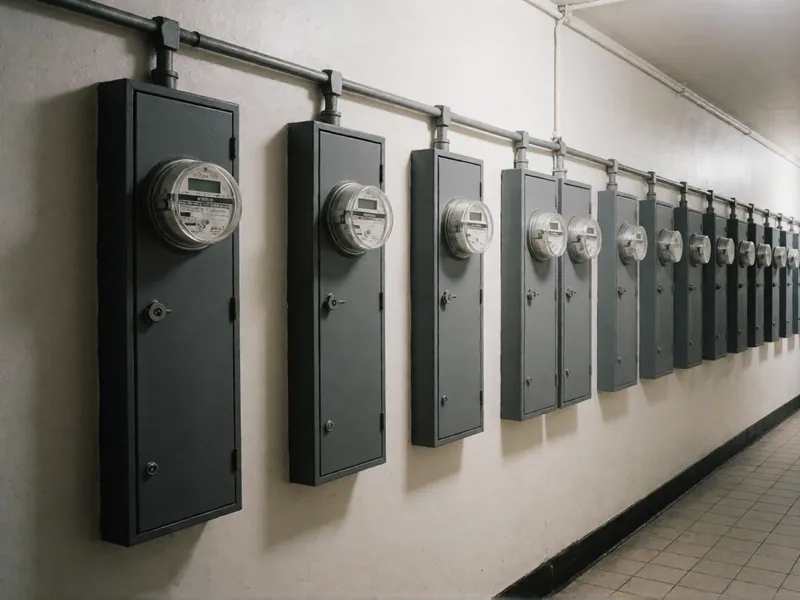
Landlord compliance
Violations, meter rooms, common-area circuits, and the electrical work a small building keeps needing.
Quoted after a walk-through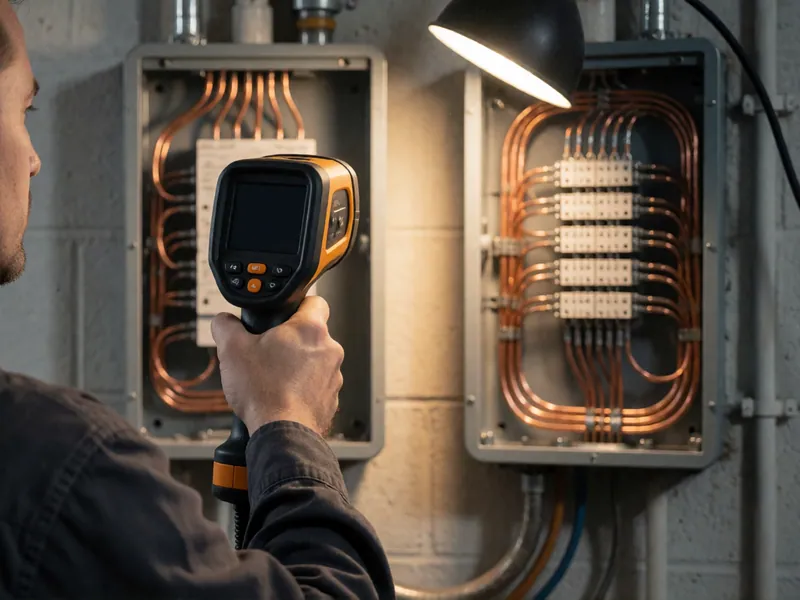
Thermal imaging
A loose termination runs hot long before it fails. A camera finds it while it is still cheap.
$450 – $1,100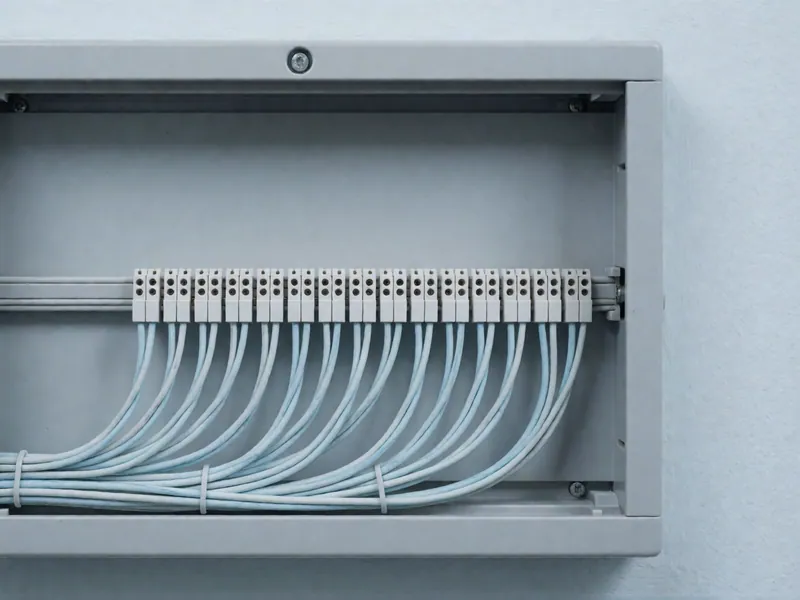
Data & low voltage
Structured cabling, video doorbells and intercoms, run and terminated like the rest of the work.
$240 – $2,900Somebody who does the work will come and look
Book a visit
Telephone the shop and you will get an electrician rather than a call centre. For defined work — a panel, a charger, a lighting scheme — the quote is free. For a fault, the visit is the diagnosis and it is $165 for the first hour, credited against the work if you go ahead the same visit. Either way we will tell you on the telephone which one it is.