EV, backup & commercial
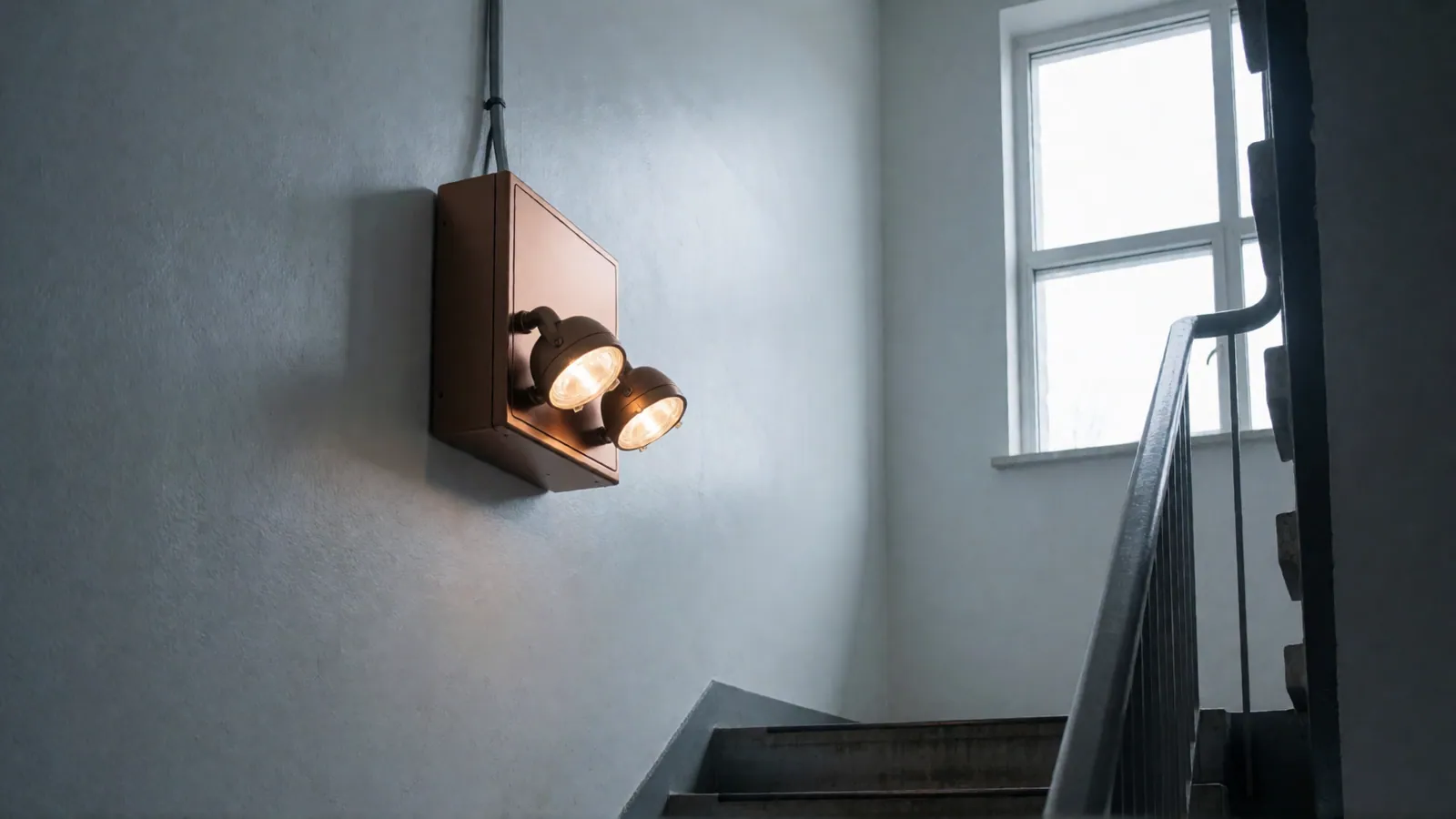
Emergency and egress lighting in Woodside, NY
The equipment is simple and cheap. What actually gets premises written up is siting, coverage and the fact that nobody has tested it since it went in.
Emergency lighting keeps a route out of a building visible when the normal supply fails. In a small commercial space that usually means battery units on the escape route, illuminated exit marking, and enough light at changes of level and at the final door for people to leave without falling.
It is one of the cheapest safety systems to install and the one most often found not working, because it sits there for years doing nothing visible and there is no daily feedback when the battery has died.
Coverage is the whole job
The failure mode we find is not equipment that does not work — it is equipment in the wrong places. A unit at the front of a shop and nothing at the back leaves the part of the route people actually have to travel in darkness.
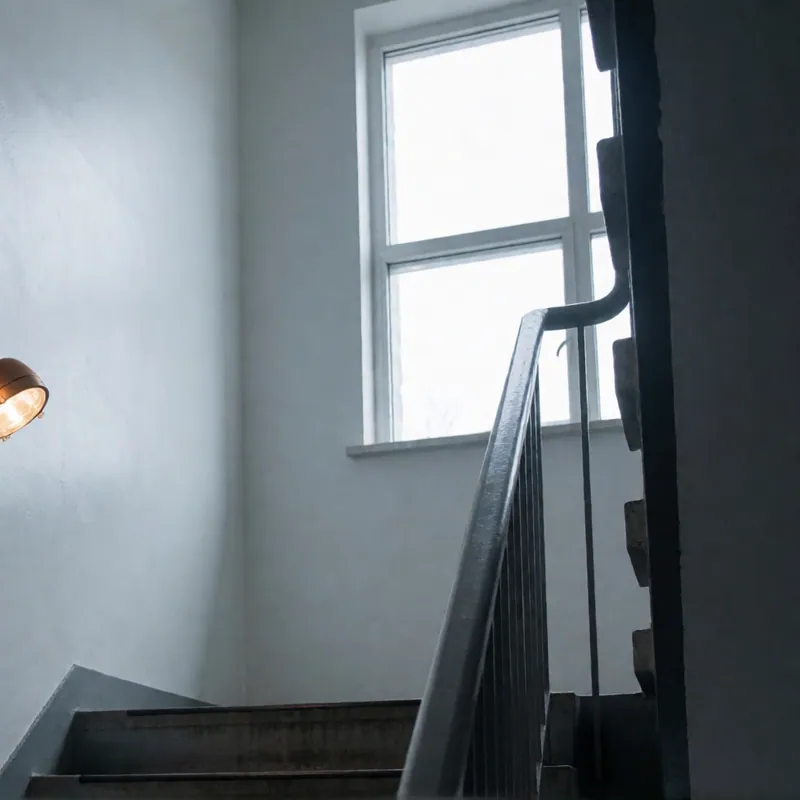
Coverage means light along the whole escape route, at every change of direction, at every change of level, at the final exit door, and outside it far enough to get clear of the building. It also means the places where somebody could be trapped in the dark and disoriented: windowless toilets, storerooms, plant rooms and stairwells.
We plan the coverage on a floor plan before fitting anything, and we mark the intended positions so you can see them.
Testing, which is the part everybody skips
These systems need periodic testing: a short function test regularly, and a full-duration discharge test at longer intervals, which is what actually proves the battery still holds for the required time. A unit whose indicator is lit is telling you it is charging, not that it will run for ninety minutes.
We commission with a real discharge test rather than pressing the test button, and we set you up with a record. Where a premises wants it, we will do the periodic testing on a schedule — but we will also show you how to do the routine part yourself, because it is genuinely simple and there is no reason to pay somebody to press a button.
Included as standard
What the job actually includes
Coverage planned on a plan
Route, changes of direction and level, final door, and outside it. Marked before anything is fitted.
Windowless spaces included
Toilets, storerooms and plant rooms, which are where people get caught out.
Units on an appropriate supply
So a local switch cannot leave the system unpowered.
Commissioned with a real discharge test
Not a press of the test button. The test that actually proves the battery.
A record set up
So there is a document when somebody asks for one.
Honest advice on maintenance
Including showing you the routine part so you do not have to pay for it.
When to call us
Signs this is the job you need
- A fit-out or a change of use in a commercial space
- Units with dead indicators, or none in the back of the premises
- No testing record, or no test since installation
- An inspection or a violation raising means of egress
- A stairwell, storeroom or windowless toilet with no emergency lighting
- A route that has changed because the layout changed
Emergency and egress lighting — what it costs
- Per unit installed on an existing circuit, including the commissioning test.$420 – $760
This is the range this job actually lands in, not a headline figure. The low end is a straightforward version of the work; the high end is one with a hard access problem, an old service, or something that has to be opened up before anybody can be certain. We tell you which one you have after we have looked, and the written quote says where the price could still move and why.
Questions we are actually asked
Emergency lighting — frequently asked
How often does this need testing?
A brief function test regularly and a full-duration discharge test at longer intervals — the discharge test is the one that actually proves anything. We will tell you the current expectations for your type of premises rather than a rule of thumb, and set up a record you can show.
Can I test it myself?
The routine function test, yes, and we will show you how — there is no sense paying somebody to press a button. The full discharge test is worth having done properly and recorded, because that is the one an inspector will ask about.
Do I need this in a small shop?
It depends on the size, the layout and the use, and it is worth establishing before a fit-out rather than after. We will tell you what applies to your premises during the walk-through, including when the answer is that you need less than somebody has quoted you for.
Related work
Often needed alongside this
Commercial
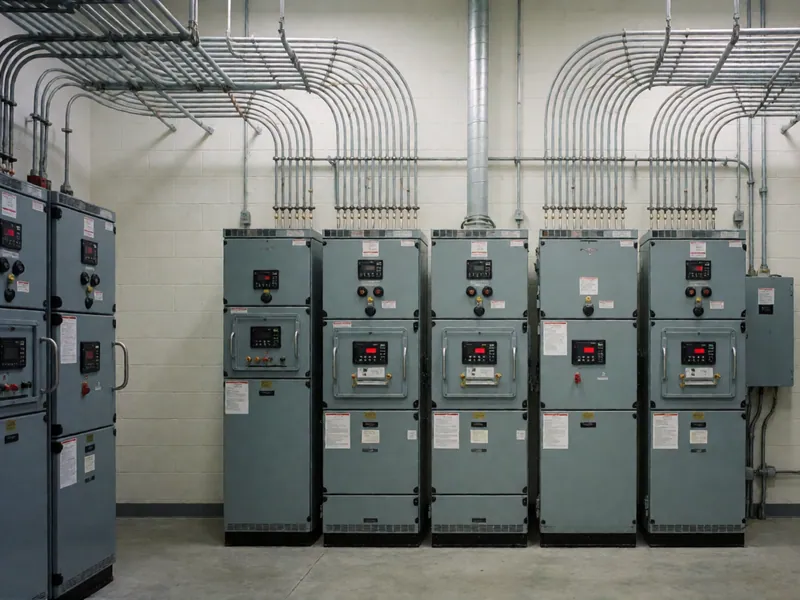
Shops, restaurants, clinics and small offices along Roosevelt and Queens Boulevard — fit-outs and service work.
Quoted after a walk-through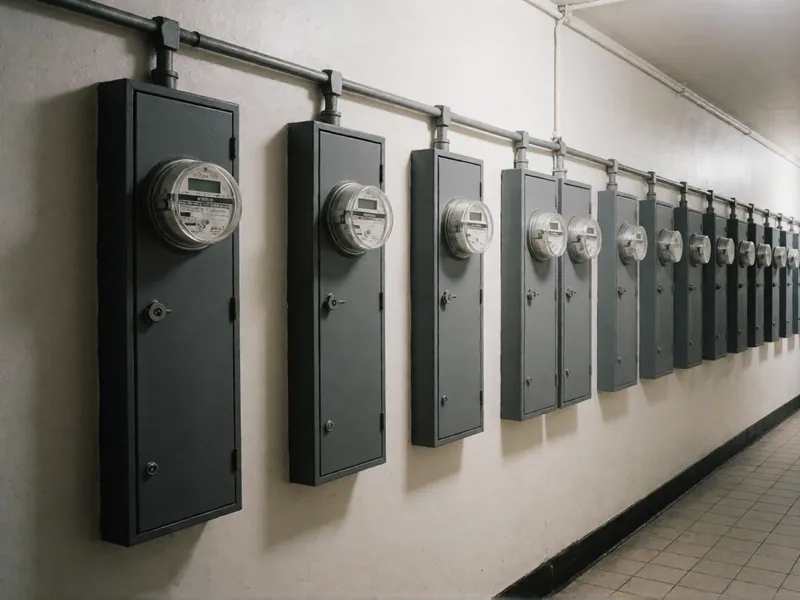
Landlord compliance
Violations, meter rooms, common-area circuits, and the electrical work a small building keeps needing.
Quoted after a walk-through
Smoke & CO alarms
Interconnected, mains-powered alarms on every level, sited where they will actually hear a fire.
$180 – $340
Lighting design
Deciding where light should fall before anybody cuts a hole in your ceiling. Usually fewer fittings, not more.
$650 – $2,400Somebody who does the work will come and look
Book a visit
Telephone the shop and you will get an electrician rather than a call centre. For defined work — a panel, a charger, a lighting scheme — the quote is free. For a fault, the visit is the diagnosis and it is $165 for the first hour, credited against the work if you go ahead the same visit. Either way we will tell you on the telephone which one it is.