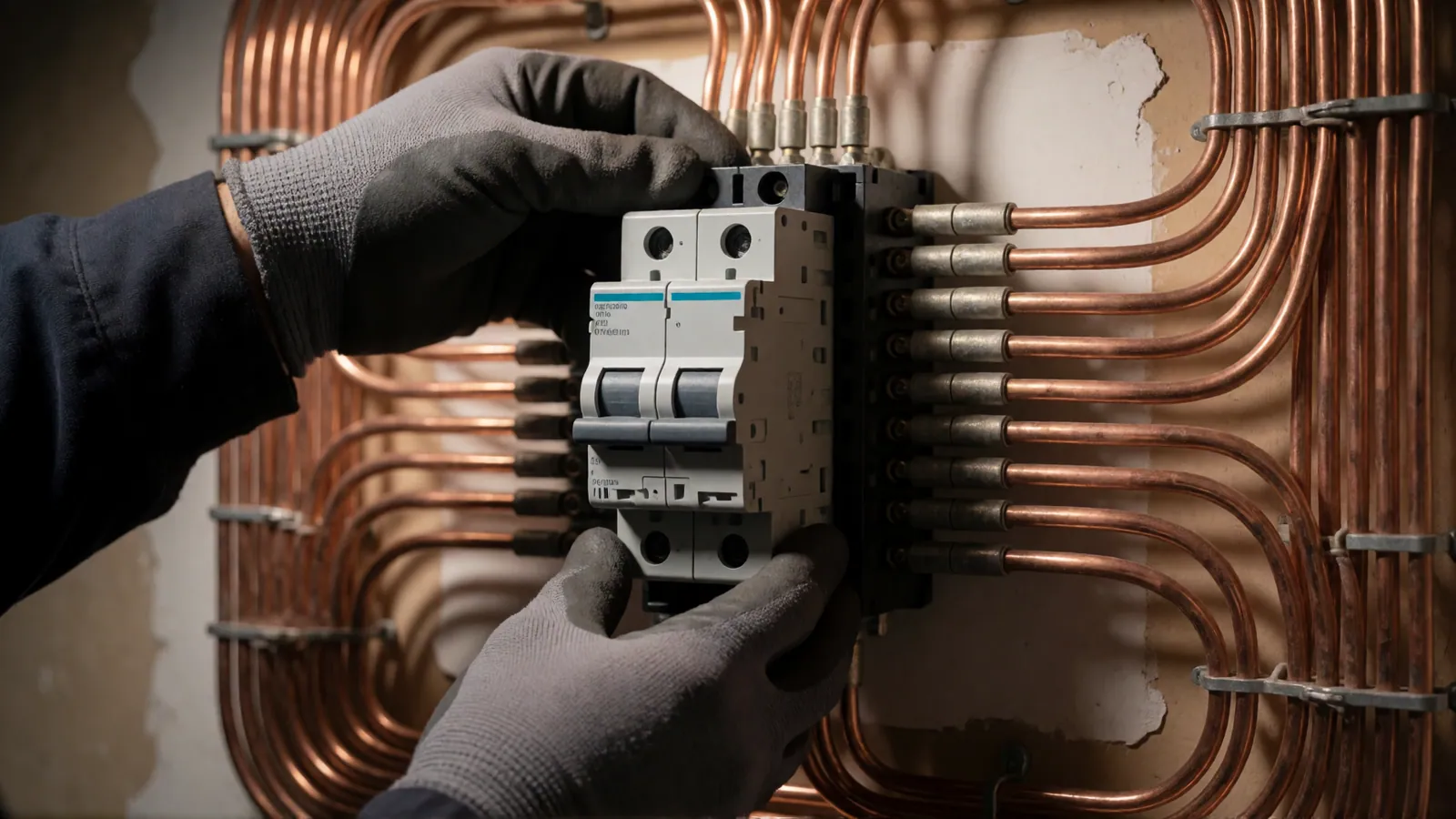
Panels & power
Breakers, AFCI and GFCI protection in Woodside, NY
A breaker that keeps tripping is doing its job. The question is always what it is protecting you from — and the wrong answer to that question is to fit a bigger one.
A circuit breaker has one purpose: to open the circuit before the wiring behind it gets hot enough to start a fire. Arc-fault devices add a second job — recognising the signature of an arcing connection, which is the failure that starts fires without ever drawing enough current to trip an ordinary breaker. Ground-fault devices add a third — opening fast enough, at a current small enough, to keep a person alive when electricity finds a path through them.
All three are cheap. All three are routinely defeated by somebody fitting a larger breaker to stop the tripping, which is the single most dangerous thing a person can do to their own electrical system, because the wire in the wall did not get any bigger.
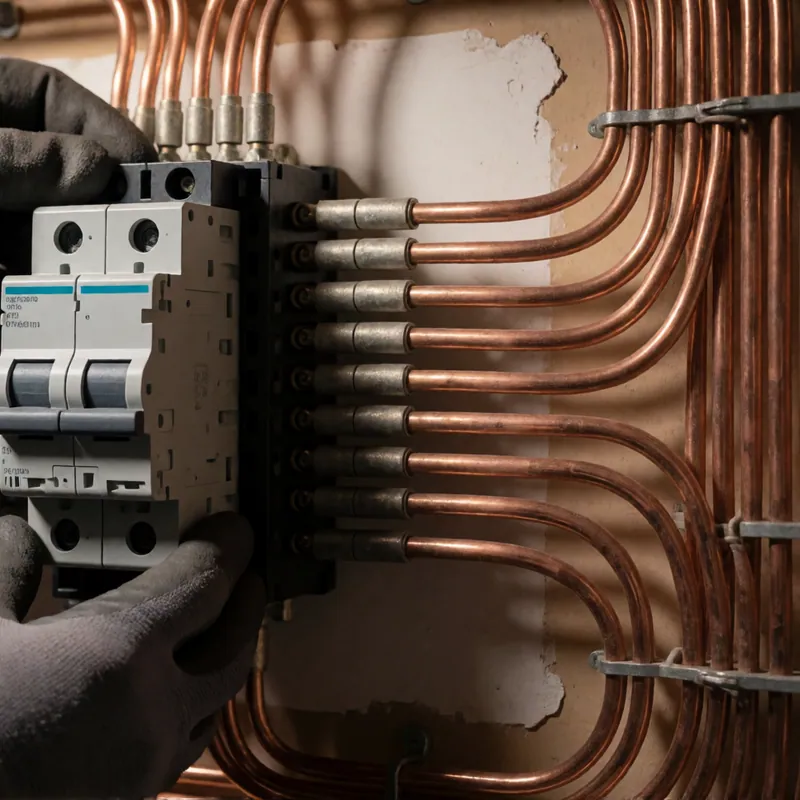
Why your breaker keeps tripping
There are three reasons and they want different answers. An overload means the circuit is genuinely carrying more than it was designed for — usually a modern appliance on an old circuit, and the answer is another circuit, not a bigger breaker. A short circuit or ground fault means a conductor is touching something it should not, and the answer is to find it. A failing breaker means the device itself has aged out, which happens, but it is the least likely of the three and we will not assume it because it is the easiest to bill for.
Arc-fault devices bring a fourth: genuine nuisance tripping. Early generations of these devices fought with certain motors and power supplies, and some of what gets called a nuisance trip really is one. But a good proportion of it is a real arcing fault in a real junction box, and telling the two apart is diagnosis rather than guesswork. We will not swap a device out for a different make and call that a fix.
What arc-fault protection is actually for
An arcing connection — a loose backstab in a receptacle, a nail through a cable, a squirrel-chewed run in a joist bay — can burn at a temperature that starts a fire while drawing far less current than the circuit is rated for. An ordinary breaker never sees a reason to open. An arc-fault device is listening for the electrical signature of that arc instead of the size of the current.
This is why the requirement has expanded steadily across bedrooms, living areas, kitchens and laundry rooms over successive code cycles. It is also why a device that keeps tripping deserves an investigation rather than an eye-roll.
Ground-fault protection, and where it belongs
A ground-fault device compares what goes out with what comes back. When a few thousandths of an amp goes missing — because it is travelling through a person to earth — it opens in a fraction of a second. It is the reason bathrooms, kitchens, laundry areas, basements, garages and outdoor receptacles are safer than they were fifty years ago.
In old Queens houses the common finding is a two-prong receptacle replaced with a three-prong one by a previous owner, with no ground conductor behind it at all. That is a real hazard, and there is a correct way to deal with it and several wrong ones. We will show you which one you have.
No instructions here, and here is why. You will not find step-by-step instructions on this website for working on your own electrical system, and that is deliberate. The hazard in this trade is not that the work is difficult; it is that the circuit is still live, or that the thing you switched off is not the thing you are touching. Turning power off at a panel and proving it is off are two different acts, and the second one is what keeps people alive. We are glad to explain what we are doing, and why, while we do it.
Included as standard
What the job actually includes
Diagnosis first
We find out why before we replace anything. $165 for the first hour, and often the whole job.
Correct device, correct rating
Matched to the conductor in the wall, not to whatever stops the tripping.
Torqued to specification
Loose terminations are what arc-fault protection exists to catch. It is a poor look to create one.
Circuit tested after
Under load, not just switched on and left.
The directory corrected
If the panel labelling was wrong — and it usually is — you get it right on the way out.
When to call us
Signs this is the job you need
- A breaker that trips repeatedly, or one that will no longer reset
- An arc-fault device that trips when a particular appliance is used
- Three-prong receptacles in a house that has no ground conductor behind them
- No ground-fault protection in a bathroom, kitchen, basement, garage or outdoors
- A breaker that feels hot, or a panel that hums or smells
- Somebody has fitted a larger breaker to stop a circuit tripping
Breakers, AFCI and GFCI protection — what it costs
- Per device fitted, after the diagnostic visit.$185 – $520
This is the range this job actually lands in, not a headline figure. The low end is a straightforward version of the work; the high end is one with a hard access problem, an old service, or something that has to be opened up before anybody can be certain. We tell you which one you have after we have looked, and the written quote says where the price could still move and why.
Questions we are actually asked
Breakers & protection — frequently asked
Can I just fit a bigger breaker?
No, and this is the one thing on this site we will state flatly. The breaker is sized to protect the wire behind it. A larger breaker does not make the wire larger; it removes the wire's protection and lets it heat up inside a wall until something ignites. If a circuit keeps overloading, the answer is another circuit.
Why does my arc-fault breaker trip when nothing is wrong?
Sometimes it is genuine nuisance tripping from an older device and a particular appliance. Often it is a real arcing connection somewhere on the circuit. Those need different answers, and telling them apart is the job. We would rather spend an hour finding out than swap the device and hope.
Do I need AFCI protection in an old house?
New work and circuit extensions have to comply with what the code requires now. For existing circuits it is not usually mandatory to retrofit — but an old house with original wiring and a history of loose backstabs is exactly the situation the device was invented for, and we will tell you where it is worth doing.
Related work
Often needed alongside this
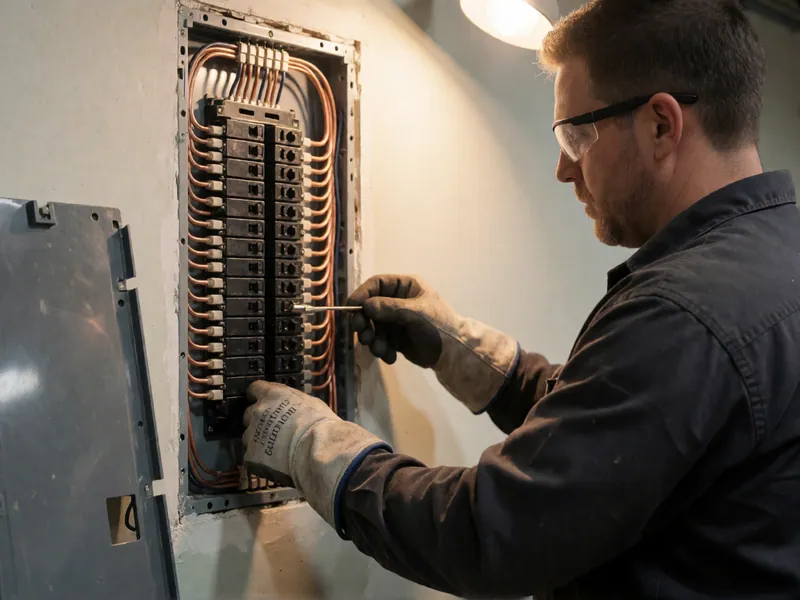
Panel upgrades
Replacing a tired or undersized load centre with a modern one — filed, inspected, and done in a day and a half.
$3,400 – $6,800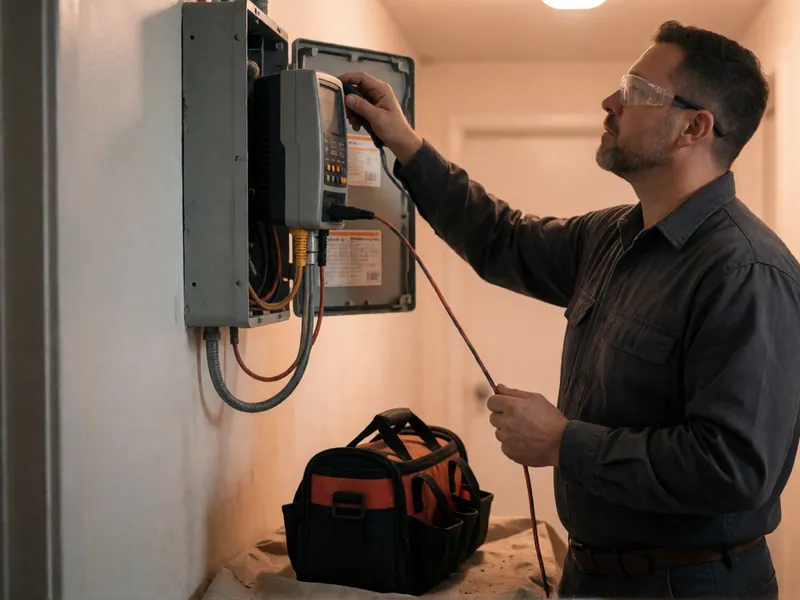
Troubleshooting
Half the house dark, a breaker that will not stay in, a smell you cannot place. Diagnosis first, quote second.
$165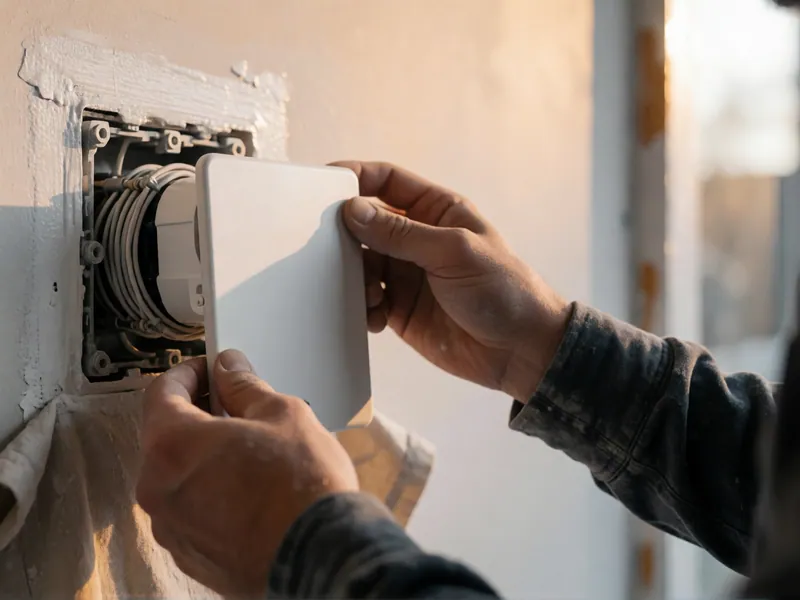
Outlets & switches
Adding, moving and replacing devices — including the two-prong outlets an old Queens house is still full of.
$145 – $420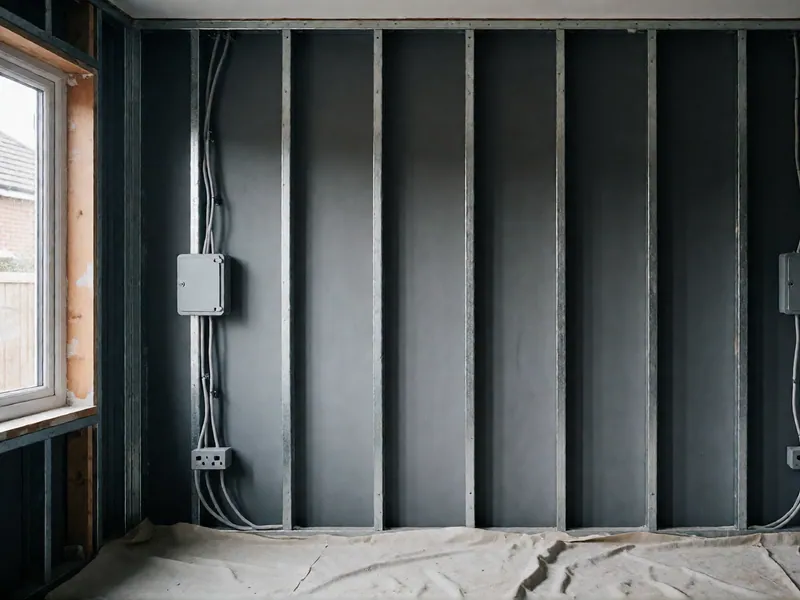
Whole-house rewiring
Replacing the wiring of an old Queens house in stages you can live through, room by room where that suits.
$14,000 – $42,000Somebody who does the work will come and look
Book a visit
Telephone the shop and you will get an electrician rather than a call centre. For defined work — a panel, a charger, a lighting scheme — the quote is free. For a fault, the visit is the diagnosis and it is $165 for the first hour, credited against the work if you go ahead the same visit. Either way we will tell you on the telephone which one it is.