Wiring & rewiring
Whole-house rewiring in Woodside, NY
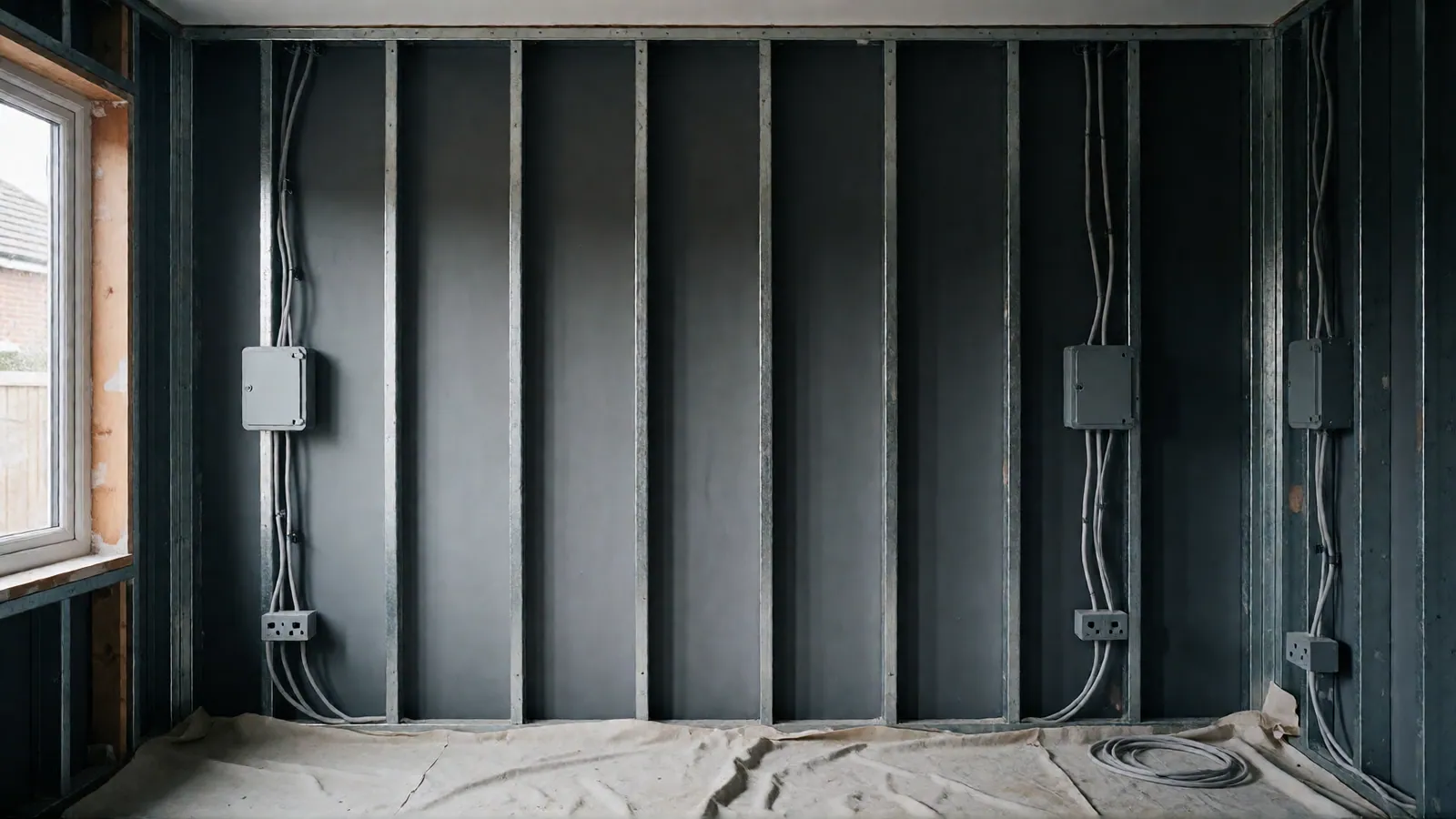
Rewiring an old Queens house is mostly a carpentry and plaster problem wearing an electrical hat. How much it costs depends almost entirely on how we get to the wires — which is why the range on this page is so wide, and why we will not quote it from a photograph.
A full rewire replaces the branch circuits, the devices and usually the panel, leaving you with a system that has a grounding conductor everywhere, protection where the code now requires it, and enough circuits that the kitchen is not sharing with the living room. In a house built between 1910 and 1950 — which is most of Woodside — that is a genuine transformation rather than a cosmetic one.
It is also invasive, and anybody who tells you otherwise has not done one. Cable has to get from a panel in the basement to a switch on the second floor, and the building was not designed to let it. The real skill is choosing routes that minimise what has to be opened up, and being honest in advance about what cannot be avoided.
Why the price range is so wide
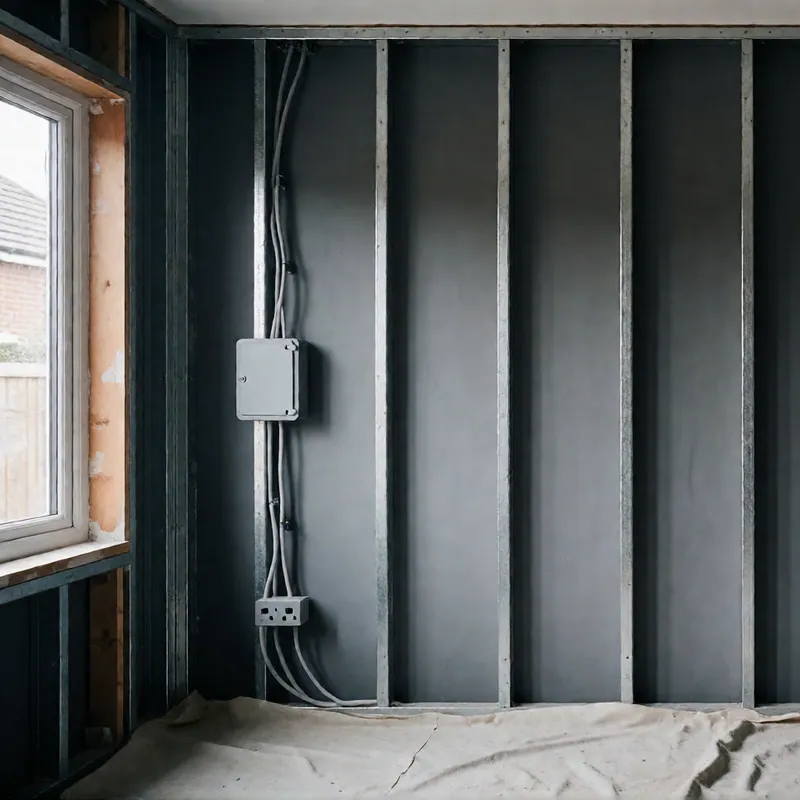
The same house, the same circuit count, and the same fittings can differ by a factor of three depending on access. A house with a full accessible basement, a floored attic, and a straight stack of closets from top to bottom is the cheap end: most runs go up and down without opening a wall.
A house with a finished basement ceiling, a low crawl attic, plaster-and-lath walls, and a rear extension whose floor structure runs the wrong way is the expensive end. Every run is a decision about which surface to open. Add landmarked plaster or a co-op board with rules about which surfaces may be disturbed and it goes further still.
We survey before quoting, we tell you which of those houses you have, and the written quote says which runs are certain and which are a judgement about what is behind a wall.
Staging it so you can stay in the house
Most of our rewires are done in stages: a floor, or a zone, at a time. You lose the rooms we are working in rather than the house. The kitchen and at least one bathroom stay live throughout except on the changeover day, and we sequence around the room you actually need.
That costs a little more than gutting the place and doing it in one pass, because there is repeated set-up. It costs a great deal less than moving out. If the house is empty — between owners, or during a full renovation — we will tell you plainly that the single-pass version is cheaper and quicker, and we will price it that way.
What you get that you did not have
A grounding conductor at every outlet, which an old house simply does not have. Enough circuits that a kettle and a microwave are not an event. Arc-fault and ground-fault protection where the code now requires it. Dedicated circuits for the things that need them. A panel with real spare capacity. A directory that is accurate.
And a filing with a number on it, which matters more than people expect: when you sell, an appraiser or a buyer's attorney can ask whether the electrical work was permitted, and “I think so” is not an answer that helps you.
Filed with the Department of Buildings, or not done. In New York City, electrical work is filed with the Department of Buildings by a licensed Master or Special Electrician, and the finished work is signed off after an inspection. A homeowner cannot pull an electrical permit here, and neither can an unlicensed handyman. If somebody offers to do your panel or your rewire cheaper by leaving the filing out, what they are selling you is unpermitted work: it is illegal, your insurer can decline a fire claim over it, and it surfaces at the worst possible moment, which is the day you sell or refinance. We file for everything that requires filing. When a job genuinely does not require a permit we will tell you that too, and we will tell you why.
Included as standard
What the job actually includes
A proper survey first
Including opening a small number of test points, with your agreement, rather than guessing at what is behind the plaster.
A written scope room by room
What is being replaced, what is staying, and where the price could move and why.
The filing and the inspections
Filed before work starts; rough and final inspections arranged, attended and closed out.
New panel and grounding
Almost always part of a rewire, and priced within it rather than added later.
Making good
Plaster and joinery patched and ready for decoration. We do not paint, and we say so up front.
Staged working
So you can stay in the house, sequenced around the rooms you actually need.
Two years on our workmanship
In writing.
When to call us
Signs this is the job you need
- Two-prong outlets through most of the house
- Cloth-insulated or knob-and-tube wiring still in service
- Fewer than ten circuits in a whole house, and extension leads doing structural work
- An insurer asking questions about the wiring before renewing
- A renovation that is opening the walls anyway — the cheapest moment there will ever be
- Recurring faults in more than one room, in a house nobody has ever rewired
Whole-house rewiring — what it costs
- A one-family house. The range is wide because access is everything.$14,000 – $42,000
This is the range this job actually lands in, not a headline figure. The low end is a straightforward version of the work; the high end is one with a hard access problem, an old service, or something that has to be opened up before anybody can be certain. We tell you which one you have after we have looked, and the written quote says where the price could still move and why.
Questions we are actually asked
Whole-house rewiring — frequently asked
Can I stay in the house?
Usually yes. We stage most rewires a floor or a zone at a time, and you lose the rooms we are in rather than the house. There is one changeover day with the power off, and we tell you which day it is well in advance.
Do you replace the plaster?
We patch what we open, ready for decoration. We do not decorate, and the quote says so rather than leaving you to discover it. On a landmarked or ornate plaster ceiling we will bring in a plasterer and show you their price separately rather than burying it.
Do I have to do the whole house at once?
No. Partial rewires are legitimate work and we do them regularly — the top floor, the kitchen circuits, everything except the untouched extension. What we will not do is quietly leave old wiring connected to new and let you think the house has been done.
Related work
Often needed alongside this
Knob-and-tube
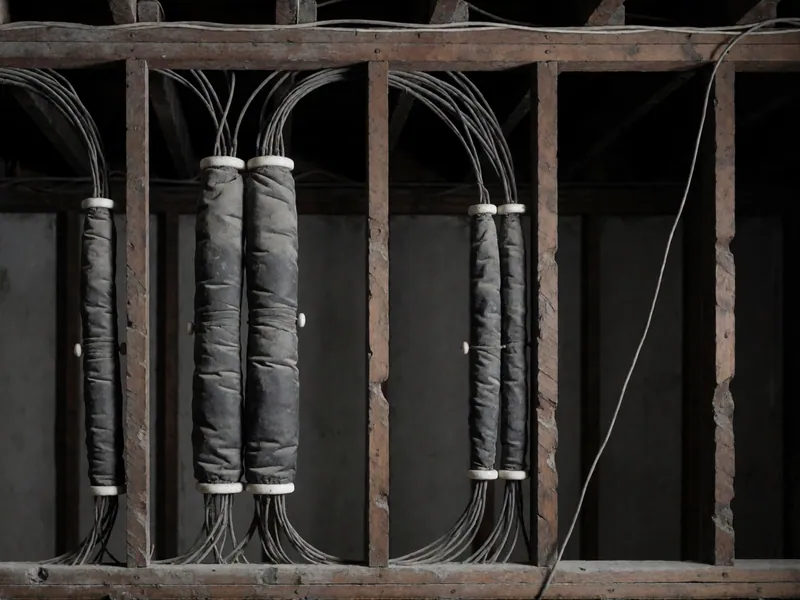
Century-old cloth-insulated wiring, why insurers ask about it, and how it comes out without gutting the house.
$4,800 – $26,000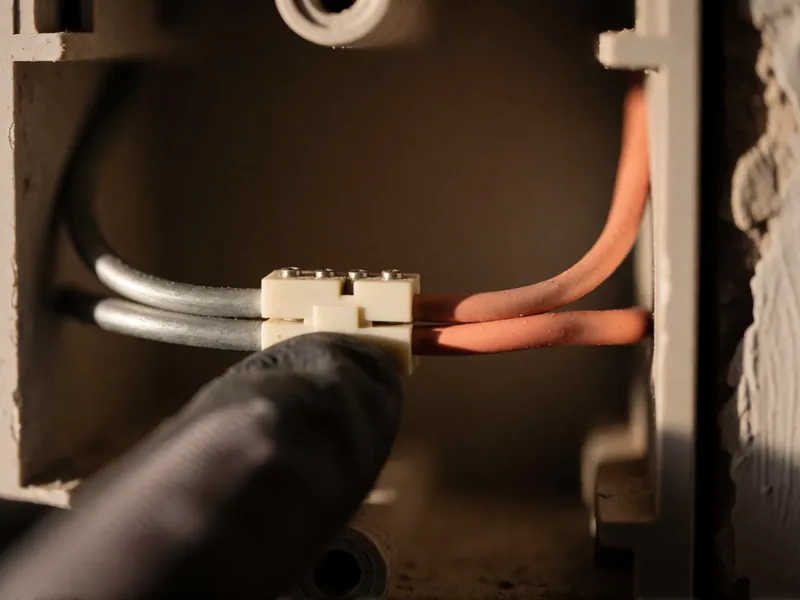
Aluminium wiring
The permanent repair the Consumer Product Safety Commission actually recommends — which is usually not a rewire.
$1,900 – $5,400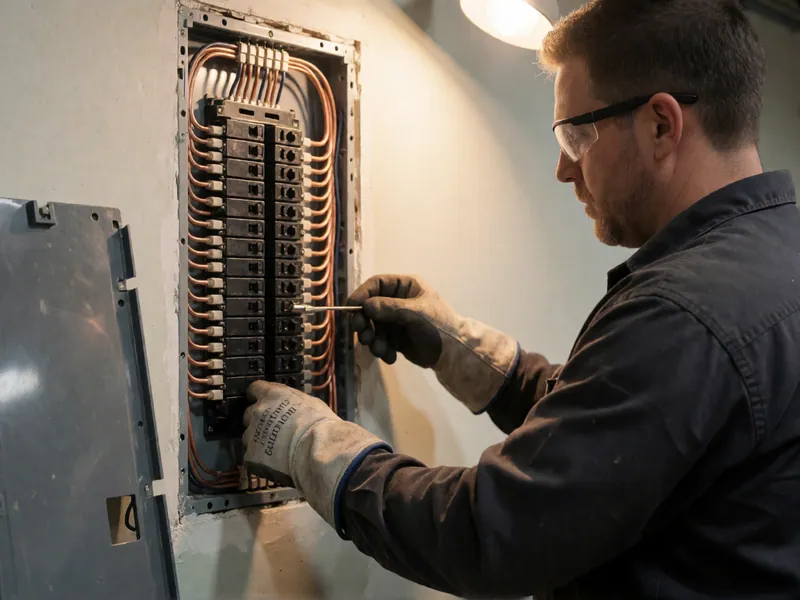
Panel upgrades
Replacing a tired or undersized load centre with a modern one — filed, inspected, and done in a day and a half.
$3,400 – $6,800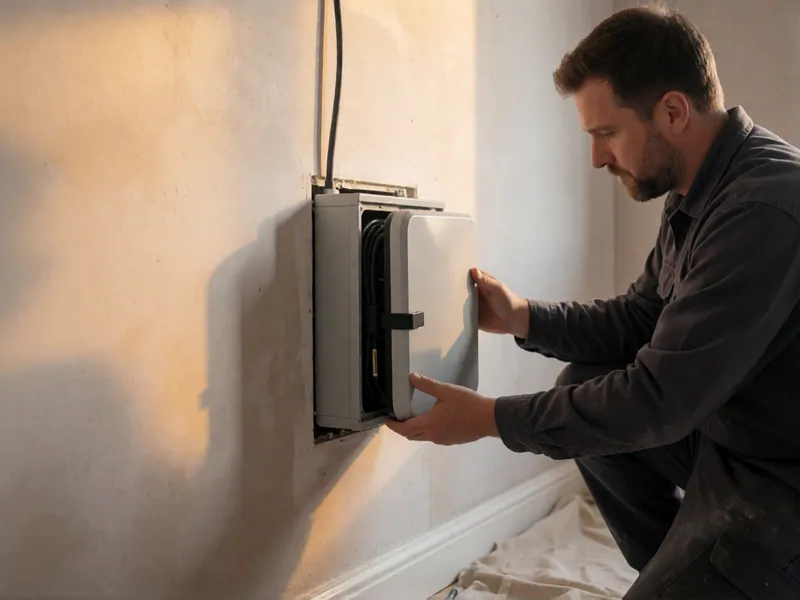
New circuits
A circuit for the window unit, the home office, the dryer or the workshop — run properly, rather than spurred off something.
$420 – $1,300Somebody who does the work will come and look
Book a visit
Telephone the shop and you will get an electrician rather than a call centre. For defined work — a panel, a charger, a lighting scheme — the quote is free. For a fault, the visit is the diagnosis and it is $165 for the first hour, credited against the work if you go ahead the same visit. Either way we will tell you on the telephone which one it is.