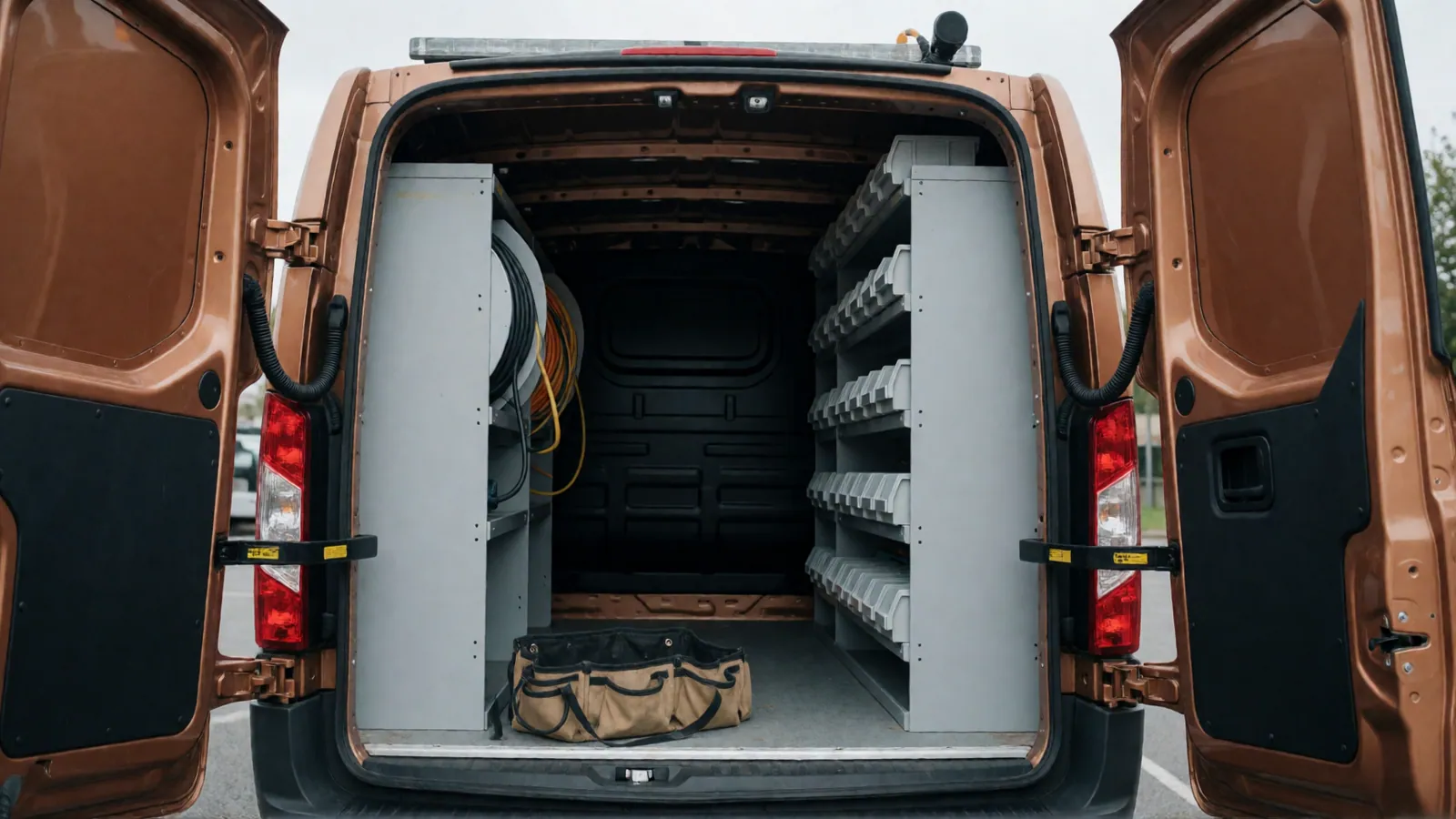
From the first telephone call to the sign-off
How we work
Five steps, and the one that matters most is the fourth, because that is where a job either stays the job you agreed to or quietly turns into a different one.
We come and look
Somebody who does the work looks at what you have — not a salesperson working from a photograph. For a fault, that visit is the diagnosis, and it is charged at $165 for the first hour.
You get it in writing
A written scope that says what we will do, what it costs, what we found that we are not going to touch, and where the price could move. If we are guessing at something behind a wall, the quote says so in that sentence rather than in a footnote.
We file what has to be filed
Anything requiring a permit is filed with the Department of Buildings before work starts — under the licence, in this company's name.
We do the work
Dust sheets down, one crew, and the same faces through to the end. If we find something we did not expect, work stops and you get a telephone call before anything is spent.
It is inspected and signed off
The inspection is arranged, attended and closed out, and you get the paperwork. A job is not finished when the tools leave; it is finished when the file is closed.
The one that matters
What happens when we find something unexpected
Work stops, and you get a telephone call before any money is spent. Not a note on the final invoice, and not a conversation at the end of the day once it has already been done.
This matters because old Queens houses hide things as a matter of routine. A splice in a wall cavity with no box. A circuit that turns out to feed two apartments. A run of the original wiring somebody left live behind plaster forty years ago. Finding those is completely normal and it is not a failure of the quote — it is what happens when you open up a building nobody has documented.
What is not normal is spending your money on them without asking. So the written quote says which parts of the price are certain and which are a judgement about something we cannot see, in that sentence rather than in a footnote, and anything outside the agreed scope waits for a decision from you.
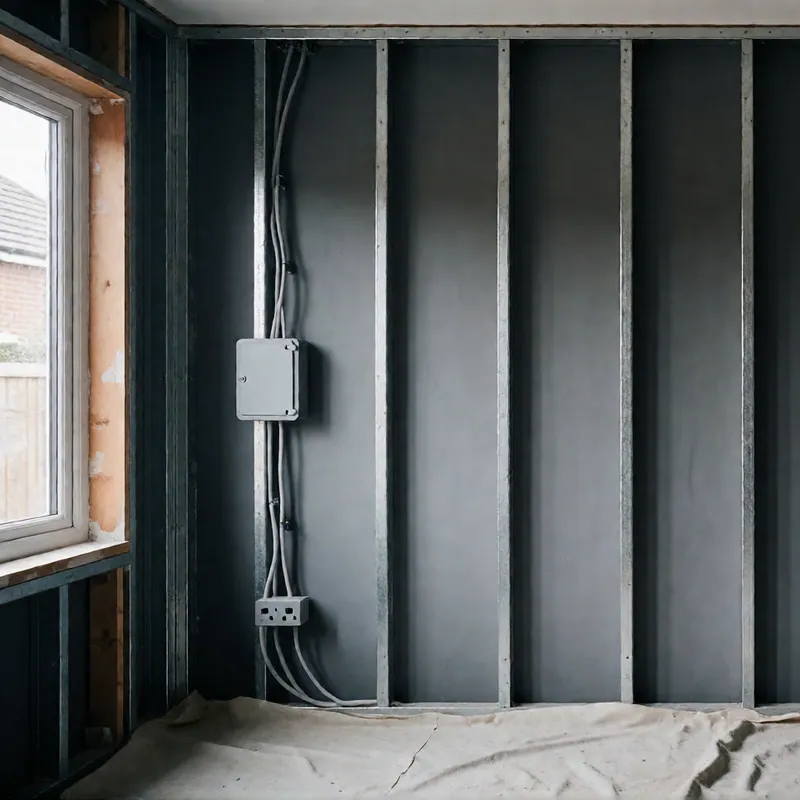
On site
The ordinary courtesies, listed because they get skipped
Dust sheets first
Down before anything else happens, not after the first hole. Floors and furniture covered on the route as well as in the room.
Swept every day
At the end of each day rather than at the end of the job, so you are not living in a site for three weeks.
The same faces
One crew from start to finish. You will not have to explain the job again to somebody new on day four.
Power off when we said
You are told which day and which hours in advance. If that changes you hear it from us before it affects you.
Made good
Plaster and joinery patched ready for decoration. We do not paint, and we say so in the quote rather than letting you find out.
Questions answered
Ask while we work. We will explain what we are doing and why — though not how to do it yourself, for reasons the safety page sets out.
Filed with the Department of Buildings, or not done. In New York City, electrical work is filed with the Department of Buildings by a licensed Master or Special Electrician, and the finished work is signed off after an inspection. A homeowner cannot pull an electrical permit here, and neither can an unlicensed handyman. If somebody offers to do your panel or your rewire cheaper by leaving the filing out, what they are selling you is unpermitted work: it is illegal, your insurer can decline a fire claim over it, and it surfaces at the worst possible moment, which is the day you sell or refinance. We file for everything that requires filing. When a job genuinely does not require a permit we will tell you that too, and we will tell you why.
Somebody who does the work will come and look
Book a visit
Telephone the shop and you will get an electrician rather than a call centre. For defined work — a panel, a charger, a lighting scheme — the quote is free. For a fault, the visit is the diagnosis and it is $165 for the first hour, credited against the work if you go ahead the same visit. Either way we will tell you on the telephone which one it is.