Lighting & devices
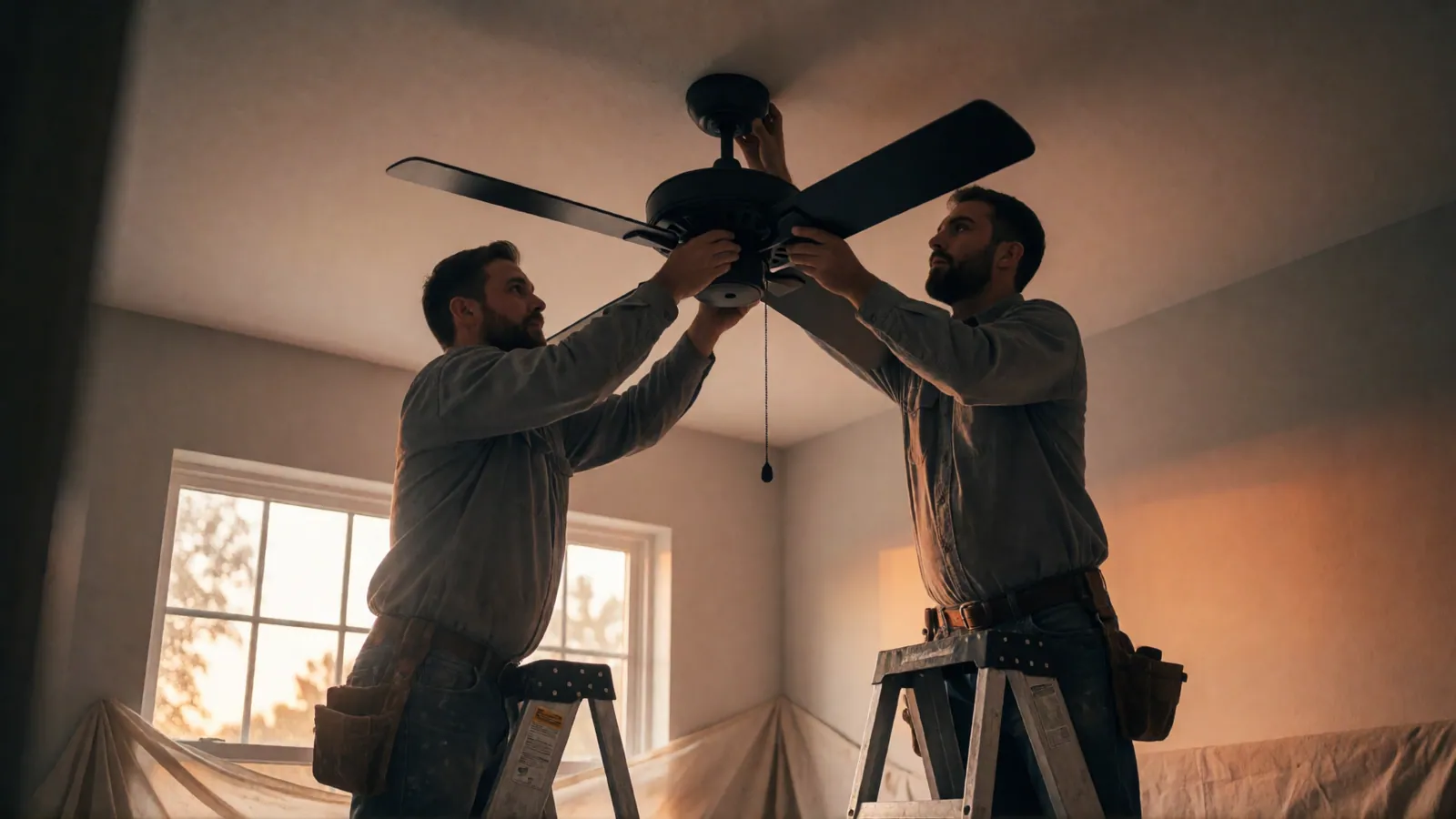
Ceiling fans and fixture hanging in Woodside, NY
A ceiling fan weighs fifteen to fifty pounds and it moves. The box it hangs from has to be rated for that, and an ordinary lighting box is not — which is the fault behind almost every fan that has come down off a ceiling.
Hanging a fan is a two-part job and only one part is electrical. The connection is straightforward. The mounting is the bit that matters: a standard lighting outlet box is designed to hold a static few pounds, and a fan is heavier, dynamic, and applies a moment to the fixing every time it spins up or slows down.
So a fan needs a box listed for fan support, fixed to structure — either to a joist, or on a brace designed to span between them. Fitting one is not difficult, but it means opening the ceiling if there is no access, and that is the part a fast job skips.
Height, clearance and the room
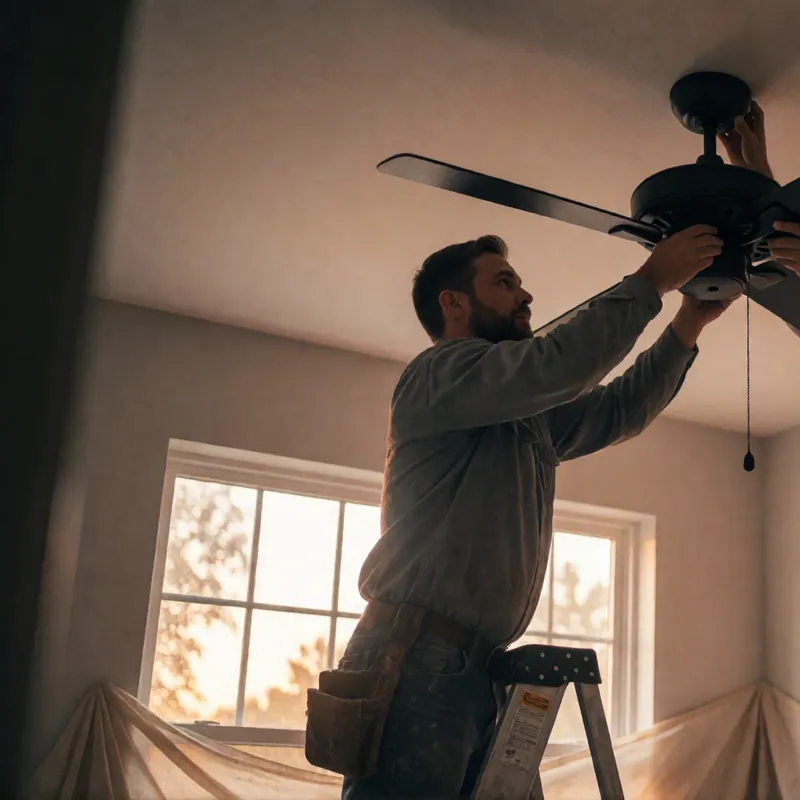
The most common complaint after a fan goes in is that it is not doing much, and that is nearly always height. A fan too close to the ceiling cannot move air properly; one too low is a hazard in a room with tall occupants. There is a usable window, and in an old Queens house with a nine or ten foot ceiling a downrod is usually the right answer rather than a flush mount.
Blade tip clearance to the nearest wall matters too, and so does what is above the fan — a fan under a sloped ceiling needs a mount that accommodates the slope, and there is a maximum angle beyond which it will not work.
Wobble, hum, and switching
Wobble is nearly always balance — blades that are not identical in weight, or a downrod that is not seated. It is correctable and we do it on commissioning rather than leaving you to live with it. A fan that wobbles is also a fan that is working its fixing loose.
Hum is usually the control. A fan motor on an ordinary lighting dimmer will hum and can be damaged — fans want a fan speed control, and if the fan has a light it usually wants two circuits or a remote. We ask what you want to control from where before we start, because retro-fitting a second switch leg afterwards means opening the wall.
Included as standard
What the job actually includes
A rated box fitted where needed
Fixed to structure or on a proper brace. This is the difference between a fan that stays up and one that does not.
Height and clearance set for the room
Downrod length chosen rather than defaulted to whatever was in the carton.
Balanced on commissioning
Wobble corrected before we leave, not left as something you get used to.
Correct control
A fan speed control, not a lighting dimmer. And the switching arranged before the wall is closed up.
Heavy fittings too
Chandeliers and large pendants have the same support problem and the same answer.
Old fitting removed
And the ceiling made good where the new fitting does not cover the old scar.
When to call us
Signs this is the job you need
- A fan that wobbles, hums, or has a control that gets warm
- A heavy fitting hanging from a box you are not confident about
- A room that never quite cools even with air conditioning running
- A fan you bought and would like fitted properly rather than optimistically
- A sloped or cathedral ceiling that needs a specific mount
- A fan on a lighting dimmer, which will damage the motor
Ceiling fans and fixture hanging — what it costs
- Includes fitting a rated box where the existing one will not do.$260 – $640
This is the range this job actually lands in, not a headline figure. The low end is a straightforward version of the work; the high end is one with a hard access problem, an old service, or something that has to be opened up before anybody can be certain. We tell you which one you have after we have looked, and the written quote says where the price could still move and why.
Questions we are actually asked
Fans & fixtures — frequently asked
Can you hang a fan where a light is now?
Usually, but not from the existing box. Almost every lighting box is unrated for fan support and has to be replaced with one that is fixed to structure — which is straightforward from above if there is access and means a small opening if there is not. We will tell you which before quoting.
Why does my fan wobble?
Nearly always blade balance or a downrod that is not seated properly. Both are correctable. It is worth fixing rather than tolerating, because a wobbling fan is working its own fixing loose.
Can I put my fan on a dimmer?
Not on a lighting dimmer — it will hum and it can damage the motor. A fan wants a fan speed control. If the fan has a light and you want them separate, that needs either two switch legs or a remote, and it is much cheaper to decide that before the wall is closed up.
Related work
Often needed alongside this

Lighting design
Deciding where light should fall before anybody cuts a hole in your ceiling. Usually fewer fittings, not more.
$650 – $2,400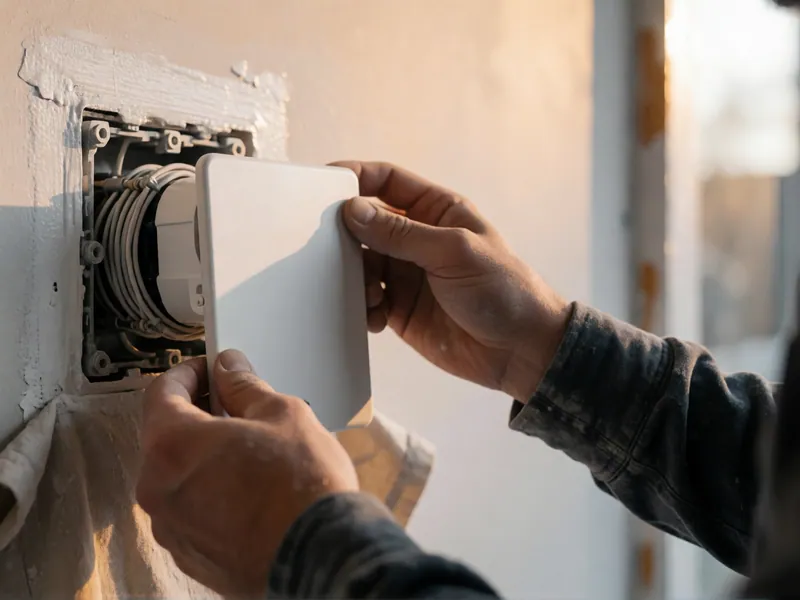
Outlets & switches
Adding, moving and replacing devices — including the two-prong outlets an old Queens house is still full of.
$145 – $420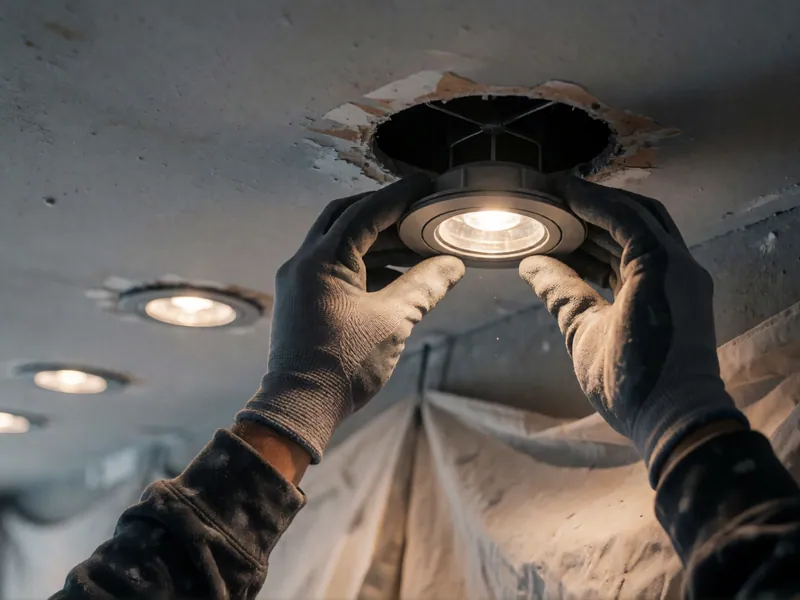
Recessed & LED
Downlights set out on a grid that suits the room, and honest arithmetic on what a retrofit saves.
$210 – $390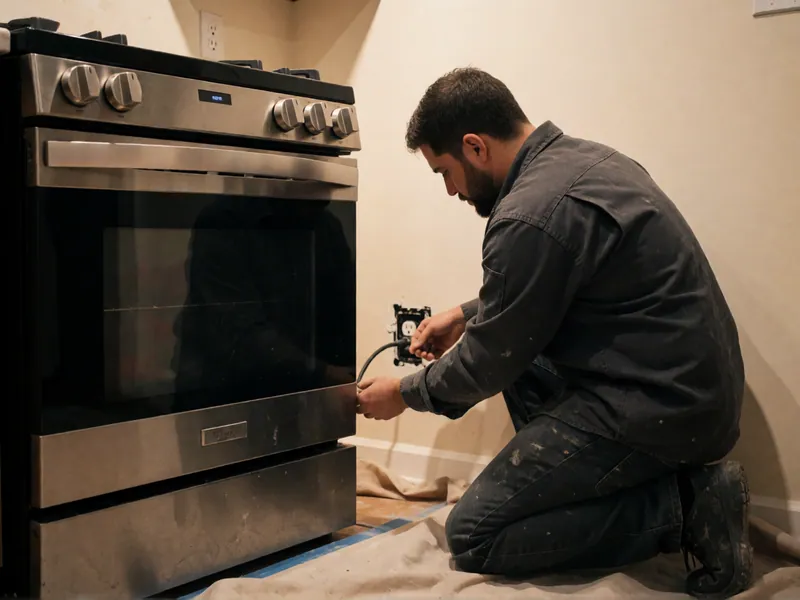
Appliance circuits
Ranges, dryers, wall ovens, mini-splits and window units, each on the circuit its nameplate actually asks for.
$520 – $1,800Somebody who does the work will come and look
Book a visit
Telephone the shop and you will get an electrician rather than a call centre. For defined work — a panel, a charger, a lighting scheme — the quote is free. For a fault, the visit is the diagnosis and it is $165 for the first hour, credited against the work if you go ahead the same visit. Either way we will tell you on the telephone which one it is.